
Key Takeaways
- Custom manufacturing can be defined as a new kind of manufacturing – Custom Manufacturing is all about flexibility, quality and the customer.
- These technological gains in digitalization, automation, and connectivity have revolutionized custom manufacturing, allowing for increased accuracy, productivity, and cooperation throughout international supply networks.
- Aerospace, medical, automotive, consumer goods — they all thrive from custom manufacturing with top-notch compliance, innovation, and personalized end products.
- When integrated strategically, custom manufacturing enables higher customer satisfaction, more efficient operations and competitive differentiation.
- Smart supply chain management comprising smart sourcing, logistics, and inventory management is critical to the viability of custom manufacturing.
- The human factor is still here, as excellent craftsmanship, constant education and great partnership between stakeholders fuel innovation and delivery of quality custom manufacturing.
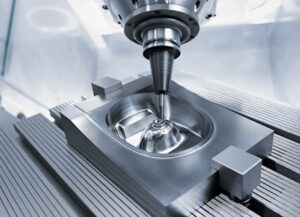
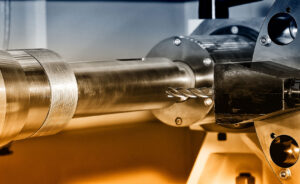
Custom manufacturing implies creating goods to satisfy individual requirements or specifications for each customer, not large quantities of a single style. Shops employ digital tools, versatile machines, and artisan teams to fulfill small and large orders. Customers receive components, equipment, or products that conform to their precise designs.
Custom work benefits areas such as medicine, vehicles and gadgets – in which one size doesn’t fit all. That way, companies can solve problems quickly, experiment with innovation, or address niche markets. To demonstrate what custom manufacturing looks like on the ground, this post explores the processes, technologies employed, and methods it enables companies to remain competitive.
Each point connects to what companies require today in real work.

What is Custom Manufacturing?
Custom manufacturing is designed to create goods tailored to an individual need or precise user specifications. Rather than producing thousands of the same thing, it adapts every component or product for a particular application. The goal is to align with a customer’s vision, be it for a prototype or a small agile batch.
Custom manufacturing is something different from mass production with its standards and volumes. The custom route is more flexible, letting businesses react to new trends, market fluctuations, or one-off demand without the waste or danger of oversupply.
1. Core Principles
Guiding principles in custom manufacturing services are adaptability, emphasis on individual customer demands, and placing quality at the core. Being nimble means factories can switch setups or processes with speed, which is crucial when manufacturing components for diverse sectors, such as space travel or medicine. The manufacturing process is designed to meet specific needs, ensuring quick turnarounds while maintaining high standards.
Quality is a given — every job frequently has to pass hard checks, such as first article inspections, to identify errors early and meet stringent industry standards. Having the flexibility to adjust plans quickly allows teams to fulfill a variety of needs—sometimes last minute. Craftsmen add an alchemy that enhances the finished work beyond mere utility, analyzing customer requirements closely to ensure proper manufacturability.
That custom manufacturing isn’t just about tools or machines; it’s about skilled people who know how to listen and adapt, ensuring that each product is tailored to the customer’s unique specifications.
2. Key Differences
Custom manufacturing allows you to select from a wide array of options, such as materials, colors, shapes or finishes, whereas mass production maintains uniformity. If a client, for example, wants a tweak, you can make it mid process without big delays or costs.
Because they make only what’s needed, there’s less danger of stockpiles sitting unsold. Labor costs are often higher as well, as more time and attention goes into each component. That cost is frequently mitigated by less waste and the opportunity to charge for quality.
3. The Spectrum
Custom manufacturing spans from full bespoke—where everything is custom, to semi-custom, where a standard model receives some modifications. The degree of custom work is related to the job and the tools—3D printing, CNC machine, or hand assembly.
New tech — additive manufacturing, for instance — has simplified one-off or small-batch runs with complex shapes. Customer feedback directs a job’s placement on this continuum. Some desire just minor modifications, others require a complete redesign for their market.
4. Value Proposition
Custom manufacturing services boost quality and speed up delivery. With efficient processes, less waste means lower costs and quick turnarounds, giving tailored parts a real edge.
The Technological Evolution
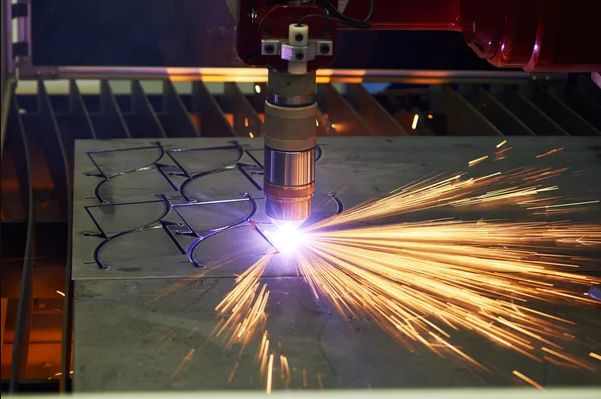
Rapid change has come to custom manufacturing as new tools and systems transform the process of designing and making things. With a lineage that stretches back more than 200 years, the field has grown from steam engines and textile machines to factories now powered by smart, connected devices.
Today, the shift from mass production to customer solutions means creators can now provide custom items with efficiency and accuracy. The table below illustrates these key advances and their impact.
|
Technological Advance |
Main Impact |
Example Use Case |
|---|---|---|
|
Steam Engines (late 1700s) |
Mechanized production, urban growth |
Textile mills, early metal works |
|
Assembly Line (1901) |
Higher efficiency, repeatable processes |
Auto manufacturing |
|
Lean Manufacturing (1948) |
Reduced waste, faster production flow |
Electronics assembly |
|
Robotics & Automation |
Precision, speed, fewer errors |
CNC machining, automated assembly |
|
Digital Twins/3D Printing |
Rapid prototyping, flexible customization |
Medical implants, aerospace parts |
|
IoT & Big Data Analytics |
Real-time monitoring, smarter decisions |
Predictive maintenance, production optimization |
|
Augmented Reality & Drones |
Enhanced training, inspection, remote work |
Quality control, warehouse management |
Digitalization
Digital tools have transformed design and engineering — from hand-drawn sketches to accurate CAD models. We’ve graduated to CAD software that lets teams tinker with product details in real time, facilitating early issue detection before anything is produced.
This transition enables even complicated components to be designed and tweaked in hours, not days. With rapid prototyping via digital fabrication, such as 3D printing, manufacturers can test ideas quickly and with less waste.
Digital systems monitor jobs as they travel through the shop, maintaining work momentum and minimizing idle time. Cloud-based platforms link clients and makers globally, allowing feedback and revision to be almost instantaneous.
Automation
Automation accelerates work that used to take hours or require groups of talented individuals. Robots today take care of the repetitive stages such as machining, welding or assembly, maintaining productivity and reducing defects.
Automated systems reduce the possibility of errors from human labor. They do use machines for long runs or difficult jobs, to keep their costs down, and people are left for work that requires more expertise.
Production lines hum, and customized orders can be completed faster, sometimes within a day.
Connectivity
Today’s custom manufacturing shops rely on robust connections—machines, sensors and humans all have to exchange information. IoT devices gather real-time data on equipment, identifying issues before they bog down.
Big data tools organize this information, demonstrating where to adjust the process for more optimal output. Connected tools enable distributed teams to collaborate as if they were all in one room.
Industry Applications
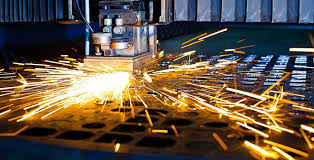
Custom manufacturing encompasses a wide range of industries, each with unique requirements. By leveraging advanced manufacturing technology, it offers versatility, accuracy, and agility for intricate devices and low-volume production, effectively meeting the demands of various sectors.
-
Aerospace demands high precision and rigorous quality. An industry based on custom parts for safety and compliance.
-
Medical fields demand patient-specific solutions and advanced materials. Custom manufacturing allows companies to satisfy stringent guidelines and stay agile.
-
Automotive applies custom work to innovation, personalization, and lighter, more efficient parts. It enables rapid prototyping and innovative design.
-
Consumer products emphasize personalization and rapidity for the trend chase. Custom manufacturing lets brands differentiate and respond quickly to customers.
Aerospace
Accuracy is paramount in aerospace. Custom manufacturing allows engineers to construct complex parts that meet precise design specifications. Each bolt, bracket, and turbine blade is held to precise tolerances to maintain the safety and efficiency of airplanes. It has to because the industry is highly risky.
Custom shops leverage deep monitoring and real-time insights to identify defects in their earliest stages, maintaining high quality and low risk. Additive manufacturing, such as 3D printing, permits components with intricate geometries that cannot be produced through traditional techniques. These include lightweight brackets, fuel nozzles, and custom housings for sensors.
Medical
Custom manufacturing is paramount in medical devices and implants. Each patient is unique, thus generic components typically fail. Custom solutions allow physicians to achieve better fits, which translates to better results. It’s an area where the best is required and have to stick to precise rules like ISO and local regulations.
Specialized materials such as titanium alloys or bio-resins are a major consideration in creating long-lasting, body-friendly implants. Additive manufacturing enables physicians and engineers to construct intricate geometries, such as joint replacements or dental crowns, customized to each individual patient.
Automotive
Auto makers require specialty parts for new models and to repair older vehicles. Custom work allows brands to test out new concepts quickly and adjust designs before entering large-scale production. For buyers, there’s an increasing desire to customize cars, from colors to in-cabin technology, which custom shops allow.
Design-for-manufacturing removes defects and cuts costs. Light materials and optimized shapes get more out of cars and increase efficiency. Rapid prototyping helps try out new parts, such as lightweight chassis or custom dashboards, prior to mass production.
Consumer Goods
They want something that fits their style. Custom manufacturing enables brands to create devices and home products exactly how users desire. Brands leverage rapid production cycles to ride the cutting edge.
Fast turnarounds count, and custom shops leverage real-time data to identify problems early and accelerate delivery. Customization makes brands pop in saturated markets.
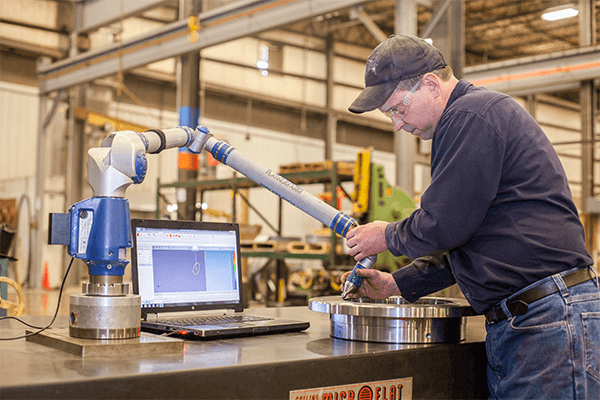
Business Implementation
Bespoke production enables businesses to respond to individual demands, adjust quickly, and remain relevant. It combines design flexibility, reduced defect rates, and accelerated turnaround — a compelling option for businesses looking to differentiate themselves.
When done correctly, it synchronizes product output with business objectives while maintaining quality and low cost. Through careful custom for business, companies can optimize efficiency, increase happiness and achieve their targets more quickly.
- Gives customers what they want, leading to higher happiness.
- Meets special requests, making products fit exact needs.
- Builds trust since buyers see their input valued.
- Creates stronger brand loyalty through personalized service.
- Fewer complaints, as bespoke items match expectations.
Strategic Benefits
Custom manufacturing can be as much as 8% cheaper than standard runs, particularly if it sidesteps overproduction and tooling waste. Knowing you can make exactly what’s needed, when it’s needed, reduces inventory and storage expenses.
A lot of businesses utilize this method for small-batch runs or to try out new products without heavy up-front costs. Brands gain loyalty when customers know their needs are heard and addressed.
Providing customized solutions or services promotes repeat business and referrals. For instance, a health tech company that customizes its devices to meet hospitals’ varying requirements tends to maintain clients longer.
Rapidly evolving markets require rapid pivots. Custom manufacturing allows companies to change configurations on the fly, so they can release updates or limited-run models immediately. This agility is a huge advantage in tech, fashion, or cars.
It’s simpler to back bold new ideas when teams can test them fast. Custom production implies prototypes or modifications can be implemented at short notice, feeding growth and innovation.
Operational Hurdles
- Find reliable suppliers for rare parts
- Track quality of each material batch
- Check lead times for every order
- Keep supply records updated
- Confirm supplier compliance with standards
Sourcing for custom jobs equates to managing more vendors, more details and frequently, more delays. Each one-off might require custom parts, which can bog down the line.
Expenses can increase because one-off runs don’t qualify for bulk rates. Which is one reason why a few companies still resort to custom manufacturing only for hot items or run of the mill limited editions.
Special skills are required to design, test and manufacture custom products. Skilled labor is critical for quality and velocity, but sourcing those talents can be difficult.
System Integration
Introducing personal fabrication into your current work demands careful management, as it involves aligning new software and processes with existing systems.
Technology—such as digital platforms for sharing part files and real-time monitoring—makes it easier to centralize design changes and catch issues early, which aids efficiency and quality.
Proper integration means machines fit operational requirements, reducing defect rates by as much as 15%. Live data makes it possible to make fast corrections, which is particularly important in complicated projects.
Companies still have problems integrating new software or new machines with old, which causes slowdowns in production or errors in data.
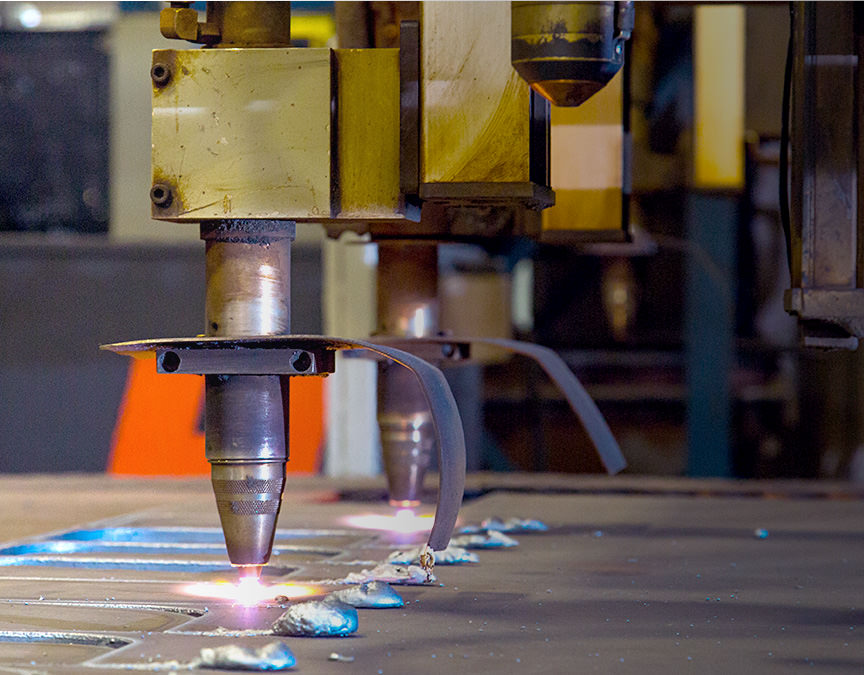
Optimizing The Supply Chain
An elegant supply chain is the cornerstone of customized manufacturing. Every link – sourcing, logistics, and inventory – affects how well a business can flex to satisfy unique customers’ needs, control costs, and deal with surprises in the production process. The table below illustrates how these essential components collaborate to maintain operational fluidity.
|
Function |
Purpose |
Example in Custom Manufacturing |
|---|---|---|
|
Strategic Sourcing |
Ensure steady flow of quality materials |
Vetting raw material suppliers |
|
Logistics Management |
Move materials and products efficiently |
Fast, tracked shipments of custom parts |
|
Inventory Control |
Match stock with production needs and avoid waste |
Just-in-time delivery of components |
Sourcing
Choosing dependable providers is essential for bespoke production. One late shipment or bad batch can shut down production. By partnering with trusted partners, our materials come on-time and are exactly the needed specs. This minimizes risk and guarantees a smooth process.
Robust sourcing is about quality, not just price. Bargain-basement inputs result in defective products and increased returns. Deep supplier relationships assist both parties resolve problems more quickly and exchange innovations.
Periodic supplier performance evaluations allow teams to implement data-driven adjustments if a vendor underperforms or new requirements emerge. Companies that invest in supplier relationships can identify risks early and keep pace with market changes.
Logistics
Custom manufacturing presents unique logistics problems. Orders are typically custom spec and short timeline. Transit or customs delays can disrupt the schedule and damage customer confidence.
Nailing logistics is about more than quick delivery. It’s about mapping routes, monitoring shipments live, and selecting the optimal carriers for any task. Technology comes to aid here.
Digital platforms centralize sketches and order information, minimizing confusion. Analytics can identify delays before they become larger issues. Quick, transparent communication with both your suppliers and customers keeps everyone in the loop and ready to respond if things shift unexpectedly.
Smart logistics reduce expenses and enable businesses to respond rapidly. When these supply routes are optimized, less time and money are lost to delays or errors. This matters most in a world where global events can interfere with shipping overnight.
Inventory
Good inventory control is crucial in bespoke manufacturing, where demand can change quickly. Excess inventory ties up capital and warehouse space. Too little translates into missed deadlines or unhappy customers.
JIT inventory allows companies to align stock with actual orders, reducing waste and expense. This is effective only when forecasting is precise and suppliers are reliable.
Real-time data tools assist teams in identifying trends, preparing for demand spikes, and responding to low stock alarms. Maintaining inventory lean yet responsive enables companies to stay agile, meet deadlines and keep costs down.
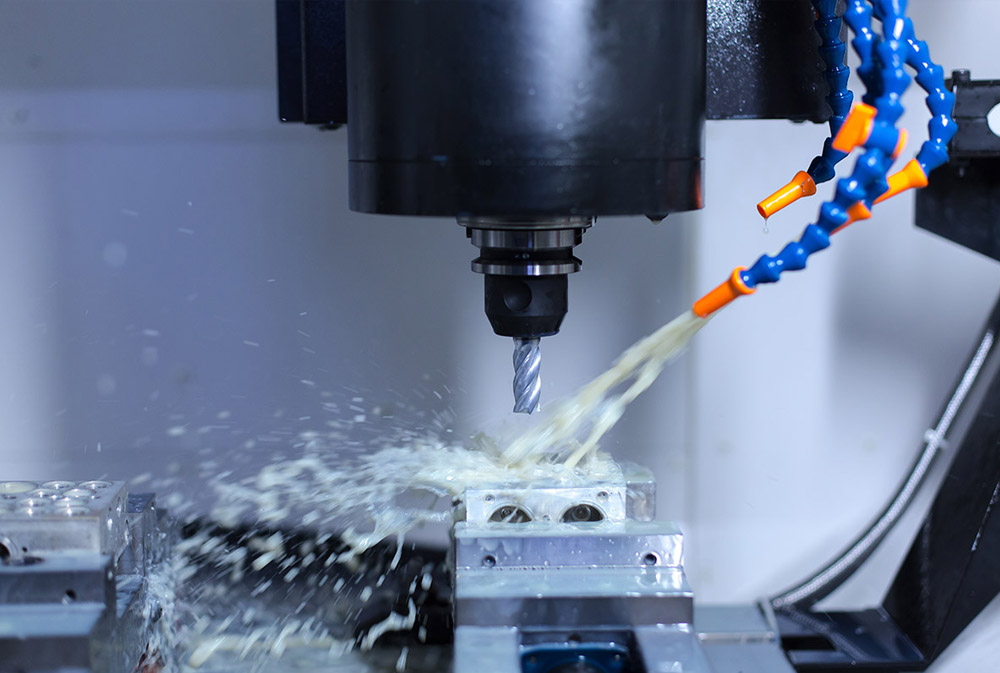
The Human Element
The human factor defines bespoke production like no machine or code. Craftsmen, continual education, proper communication and a good culture all matter. As automation increases, bolstering the human element keeps technology working for humans—not vice versa.
This attention to humanity keeps workplaces flexible, transparent, and adaptive.
Skillsets
Custom manufacturing requires more than technical expertise. Employees have to operate cutting-edge equipment, troubleshoot on the fly and think innovatively when everything shifts.
For instance, a machinist has to understand CNC software — but how to adjust hardware settings manually when a part spits out incorrectly.
Value cross-functional teams. When engineers, designers and fabricators collaborate, they identify problems up front and discover innovative solutions.
This mix of expertise allows stores to manage custom work that the industrial assembly line can’t reach. Innovative thinking and keen problem solving count as much as technical ability.
Collaboration
It’s close client relationships that distinguish custom shops. Talking with customers day one uncovers what they truly need.
Feedback, positive and negative, informs design adjustments before errors become expensive. This back and forth builds trust and keeps a project on track.
Teamwork in the shop counts. When staff exchange concepts, they discover quicker methods to address issues.
Transparency about boundaries and intentions keeps everyone aligned. Transparency with customers, like sharing news and disappointments, keeps initiatives running and bonds sturdy.
Mindset
A customer first mindset wins in custom work. Stores that hear and respond to shifting tastes earn return visits.
Workers must remain agile, as each project adds new specs and hard deadlines. Growth mindset helps teams continue learning.
Stores that view error as an opportunity to make things right discover how to operate better. Being proactive—asking questions, asking for feedback, suggesting tweaks—can take a good project and make it a great one.
Conclusion
Custom manufacturing keeps it honest and direct. It allows teams to customize products to match exactly what consumers desire, to the very specifications. Shops employ intelligent tools, rapid information, and new technology to maintain low costs and high speed. Employees apply craftsmanship, not just machinery, to transform concepts into reality. From life-saving health tools to minimalist home gear, custom makes an appearance everywhere. Teams that innovate will lead. To stay ahead, go small, seek support and experiment with hacks. Interested in learning more or sharing your own story? Jump in the conversation, tune into our blog and keep it cutting edge with us.
Frequently Asked Questions
What is custom manufacturing?
Custom manufacturing services involve creating a product from a customer’s specifications, allowing companies to produce unique products that traditional mass production cannot deliver.
How has technology changed custom manufacturing?
Innovations in digital design, automation, and 3D printing have made custom manufacturing quicker and more efficient. Enhanced manufacturing technology has improved quality control and reduced lead time in the production process.
Which industries use custom manufacturing?
Custom manufacturing is utilized in a variety of industries, including healthcare, automotive, and aerospace, to develop unique products, prototypes, and final products through efficient manufacturing processes tailored to specific needs.
What are the benefits of custom manufacturing for businesses?
Custom manufacturing services provide adaptability, accelerated product innovation, and the capability to address niche customer demands, allowing companies to react rapidly to market shifts and minimize overhead inventory.
How does custom manufacturing optimize the supply chain?
Custom manufacturing services are a way to reduce lead times and waste, enhancing supply chain efficiency while lowering inventory and shipping costs through tailored production solutions.
What role do people play in custom manufacturing?
Expert craftsman manage the design and manufacturing processes, ensuring that every product meets the exact specifications through customized manufacturing and quality control.
Is custom manufacturing cost-effective?
Custom manufacturing services can be cost-effective for small runs, prototypes, or niche products, as they minimize scrap and inventory while offering unique products, although unit costs are typically higher than traditional mass production.